
Claude Cowork: what it does for commercial services operations, and what it doesn't
The mistake to avoid is treating Cowork as a productivity tool you buy once and roll out everywhere. It's an automation tool that earns its keep on specific, repeated, document-heavy work. Find that work first. The tool is the easy part.
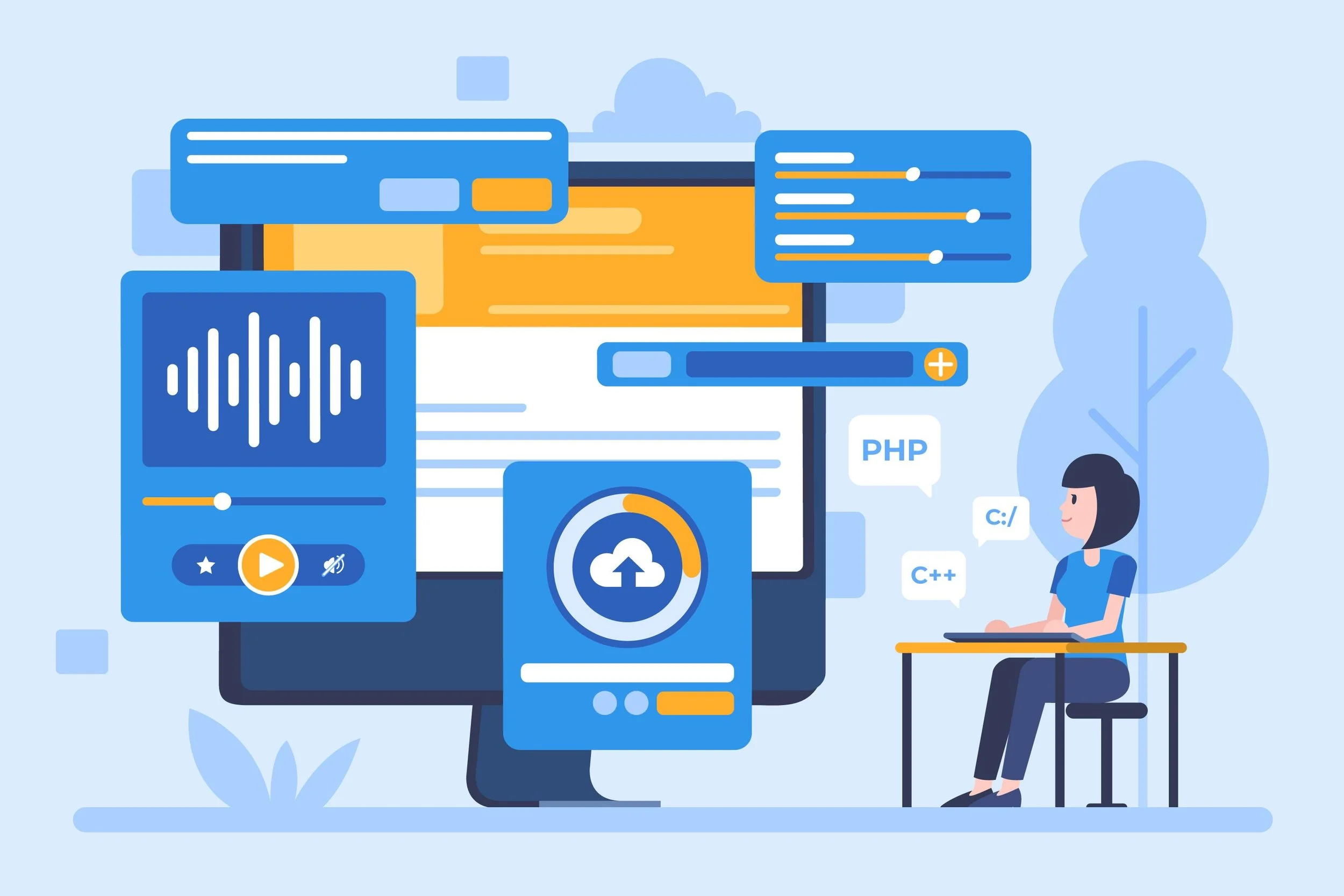
What Is MCP, And Why It's Becoming the Standard for Enterprise AI Integration
AI models keep getting smarter, but they're only as useful as the systems they can reach. The Model Context Protocol — MCP — is an open standard that gives AI agents a universal way to connect with your tools, databases, and services, replacing the tangle of custom integrations that has held enterprise AI back. Backed by Anthropic, OpenAI, Google, and Microsoft, and now stewarded by the Linux Foundation, MCP is quickly becoming the shared infrastructure layer for the agentic AI era. Here's what it is, how companies are already using it, and why it matters for your organization.
Google Workspace Just Got a Lot More Powerful — And Your Team Should Know About It
Google Workspace Studio just launched — and it changes how accessible automation has become. Built directly into the Google tools your team already uses, it lets anyone describe a workflow in plain English and have Gemini build it automatically. No coding. No extra subscriptions. If you're on a Business or Enterprise Workspace plan, you already have access.

The AI Super Bowl: What Claude and OpenAI's Commercial Battle Reveals About the Future of Business
If you were watching the Super Bowl yesterday, you witnessed more than just a football game. Sandwiched between beer ads and car commercials was something far more significant: Anthropic's Claude and OpenAI going head-to-head for America's attention during the biggest advertising moment of the year. This wasn't just a marketing play. It was a declaration that AI has officially moved from tech curiosity to business necessity.
When AI companies are confident enough to spend $7 million per 30-second spot to reach mainstream business audiences, it signals a fundamental shift. The AI Super Bowl tells us something crucial about the next phase of business evolution: companies that win won't choose between innovation and execution—they'll systematically excel at both. The question isn't whether AI will transform your industry. It's whether you'll be leading that transformation or scrambling to catch up.
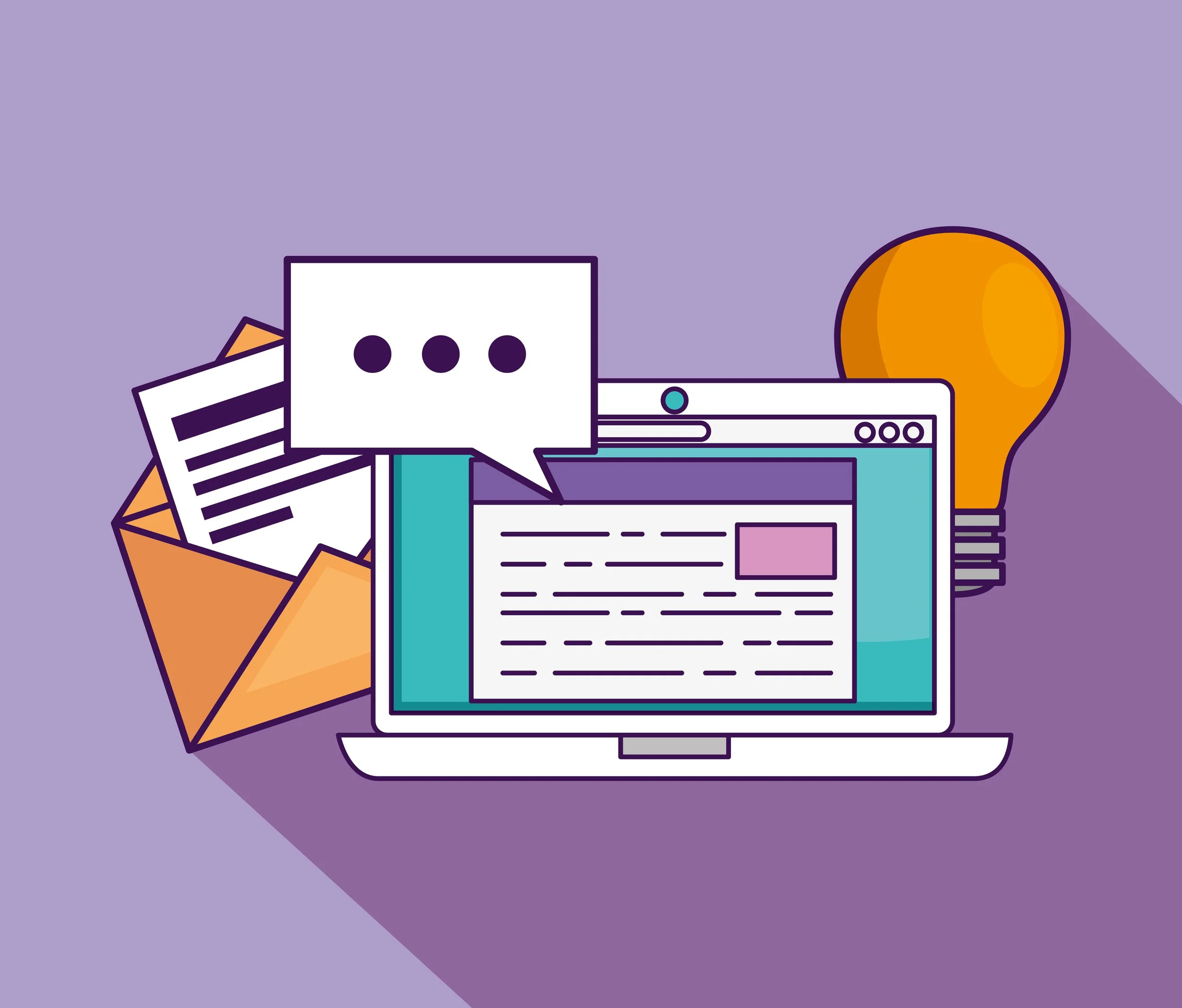
Why Your First AI Automation Should Be a "Daily Inbox Briefing"
If you are new to business automation, the possibilities can be paralyzing. The answer isn't a complex CRM overhaul—it's your inbox. In this post, I break down exactly why a 'Daily Inbox Briefing' is the perfect first project for founders, and how you can build it today to turn your reactive mornings into proactive ones."

SMB Automation Statistics 2026: 50+ Stats Every Business Owner Needs
Is your business keeping up? 58% of small businesses now use AI, employees waste 3+ hours daily on manual data entry, and companies implementing automation see 22% cost reductions within three years. We compiled 50+ statistics from McKinsey, Goldman Sachs, Salesforce, and more to show you exactly where SMB automation stands in 2026—and what it means for your bottom line.

5 Power Automate Workflows That Actually Improve Team Communication
Stop scheduling meetings to share information. These five Power Automate workflows eliminate communication bottlenecks using tools you already own—no new software required, no complex setup.

Crawl, Walk, Run: The Only Way to Make a Digital Transition Stick
We're working with a general contractor who wanted to automate their client follow-up. But when we looked at their database, leads were mixed with vendors, records were incomplete, and there was no way to tell who should get what message. So we started there—cleaning the data, building segments by customer type, creating structure. Only then did we automate email sequences. If we'd skipped straight to automation, they'd be sending the wrong messages to the wrong people. Crawl, walk, run isn't slower. It's how you avoid rebuilding everything twice.
How We Actually Work: Data First, Then Automation
A company came to us with 20,000 contacts in their CRM. Sounds like an asset, right? When we dug in, we found email addresses in name fields, employees mixed in with prospects, and data spread across 436 columns—most of them empty. Their sales team didn't trust it. Marketing was nervous about compliance. Having 20,000 contacts isn't valuable if you can't actually use them. That's why we start with data before we talk automation.